
An app should fit your business.
App Development, for the web and iPhone.
Apps built around how your business already works. Most people need a working website first. Every app starts with a conversation, not a package.
Start a ConversationI respond within two business days.
No sound. Read the video as text
- Has your business outgrown the apps and spreadsheets you patch together?
- When plugins and templates don't fit how you work, people work around them, and things get lost.
- App Development. When a website isn't enough, I build an app around how your business already works.
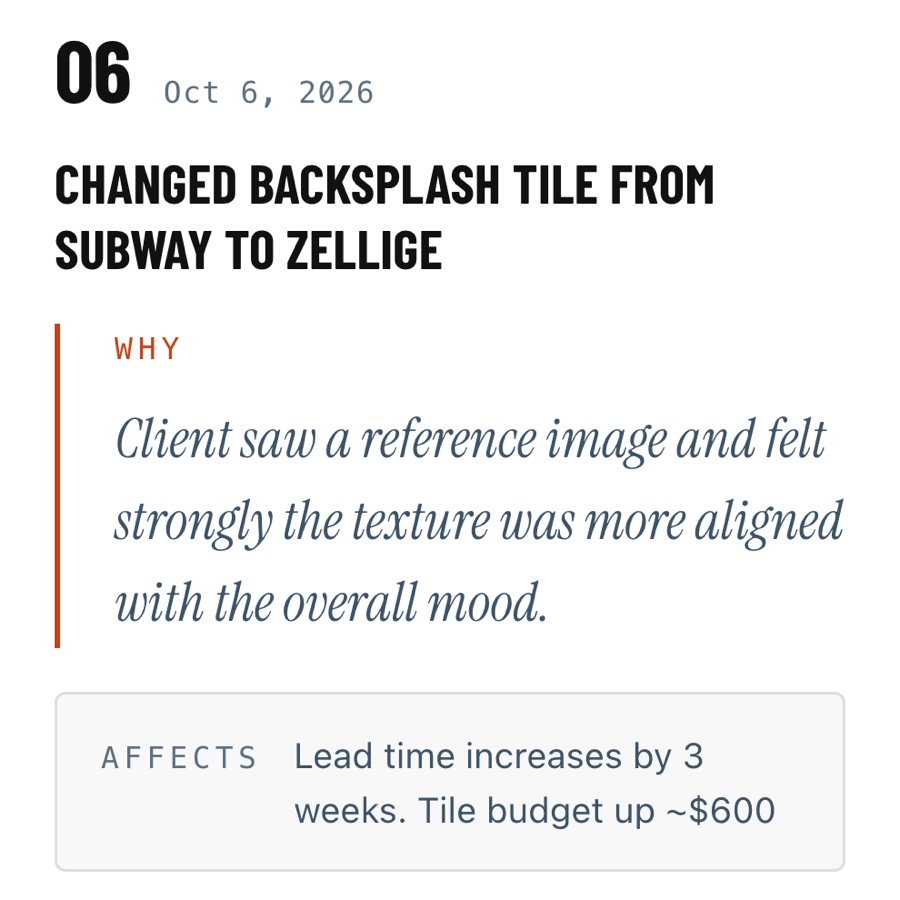
- An app I built for my own business, Marqo. As a freelancer, I'd agree on a direction with a client, then change course a few weeks later for a good reason. When they asked why, the decision was easy to find. The why was gone.
- Notes apps and email didn't keep the reason. So I built Marqo. It saves each decision and why, while it's fresh, and sends the client one clear record. Marqo, on the App Store since September 2026.
- That's how I'd start with yours: find what gets lost, see why your tools miss it, and build what fits.
- Your app. Marqo is one of six iOS apps I've built and shipped. Yours might be a place your team logs jobs, or a page where clients check progress.
- How it works. Talk: what you need. If an app isn't the best move, I'll tell you what is. Scope: what it does, and what it doesn't. Build: made for your team's real steps. Launch: with notes and training, so you don't depend on me.
- App Development. An app shaped around how you already work. Start a Conversation: articulatedigital.co/app-development. Janiré Castillo, Articulate Digital.
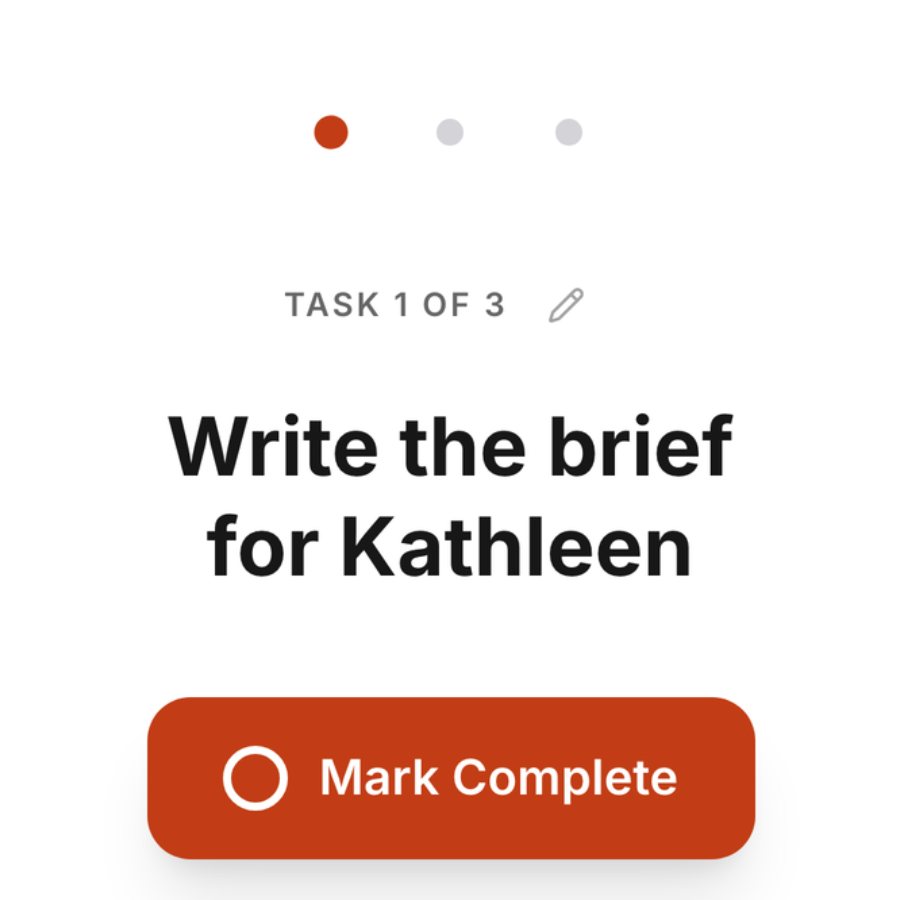
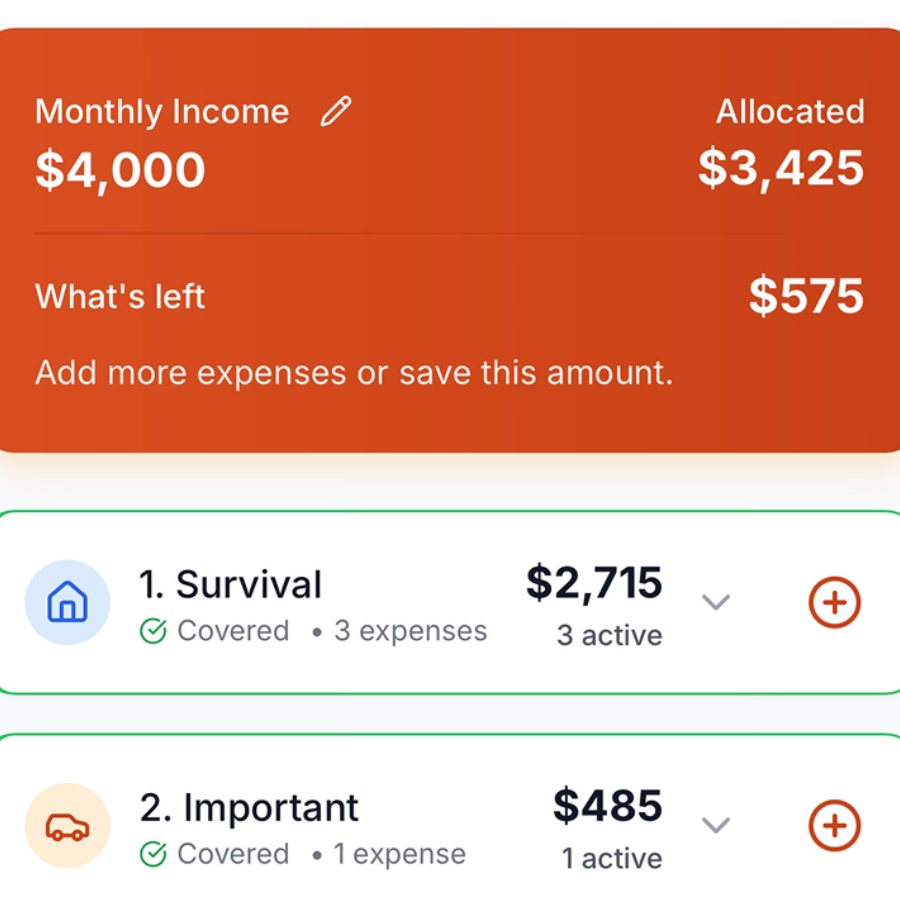
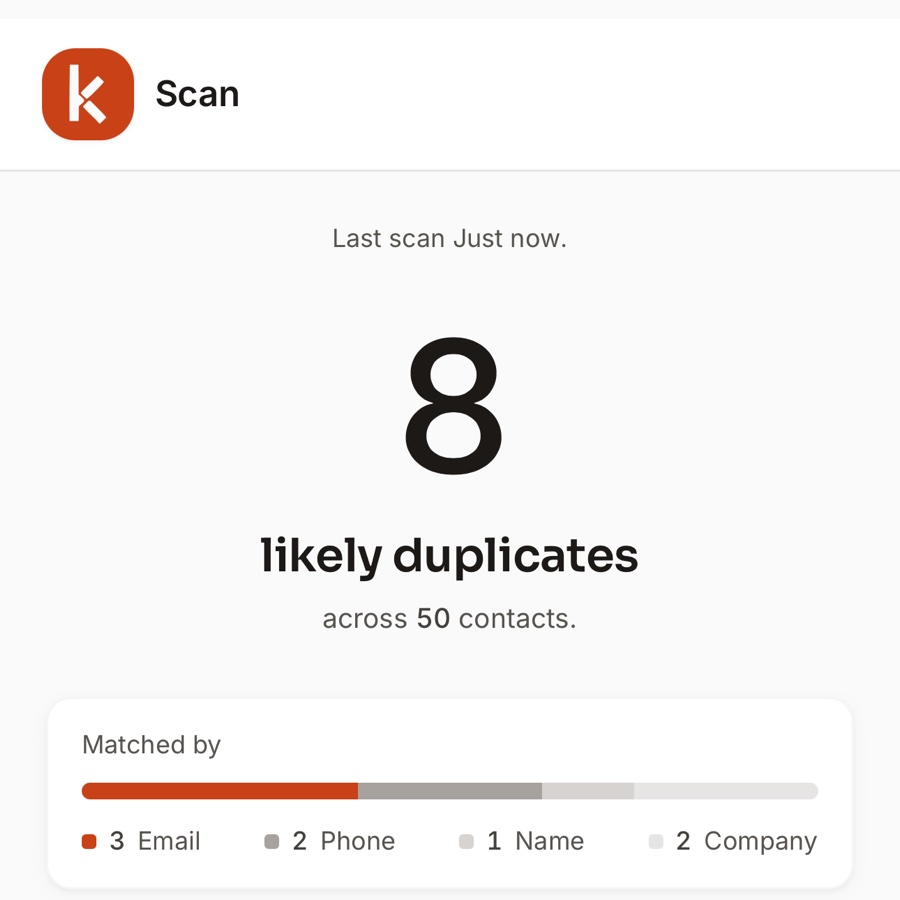
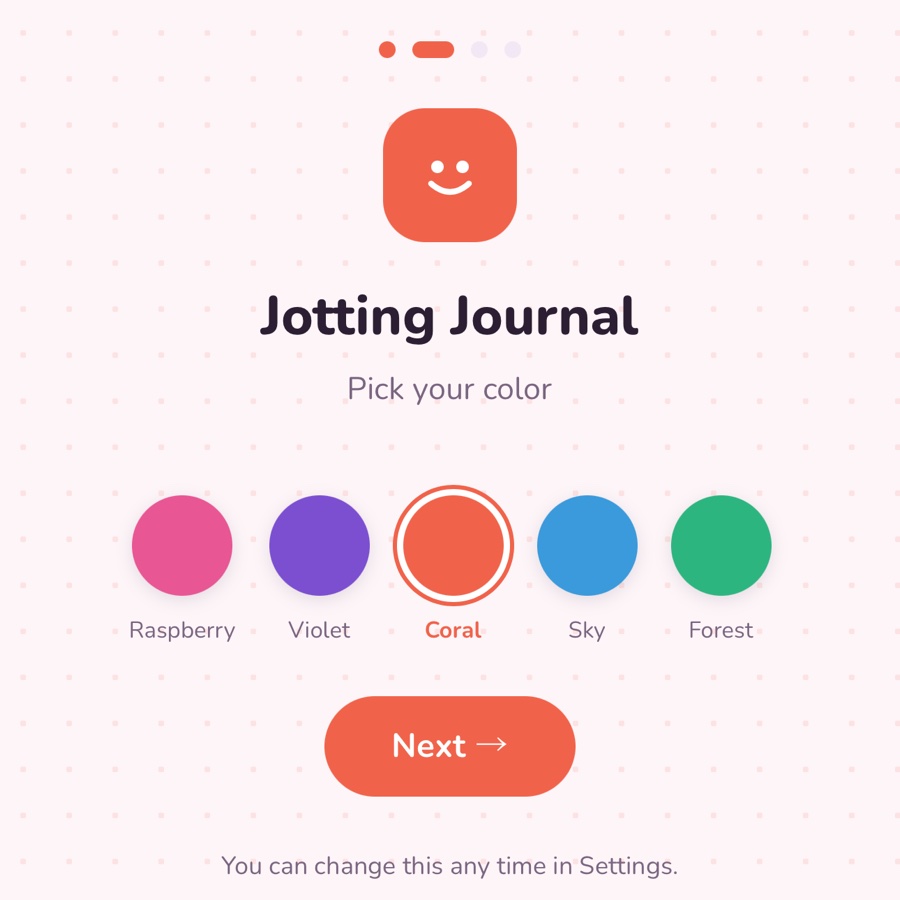
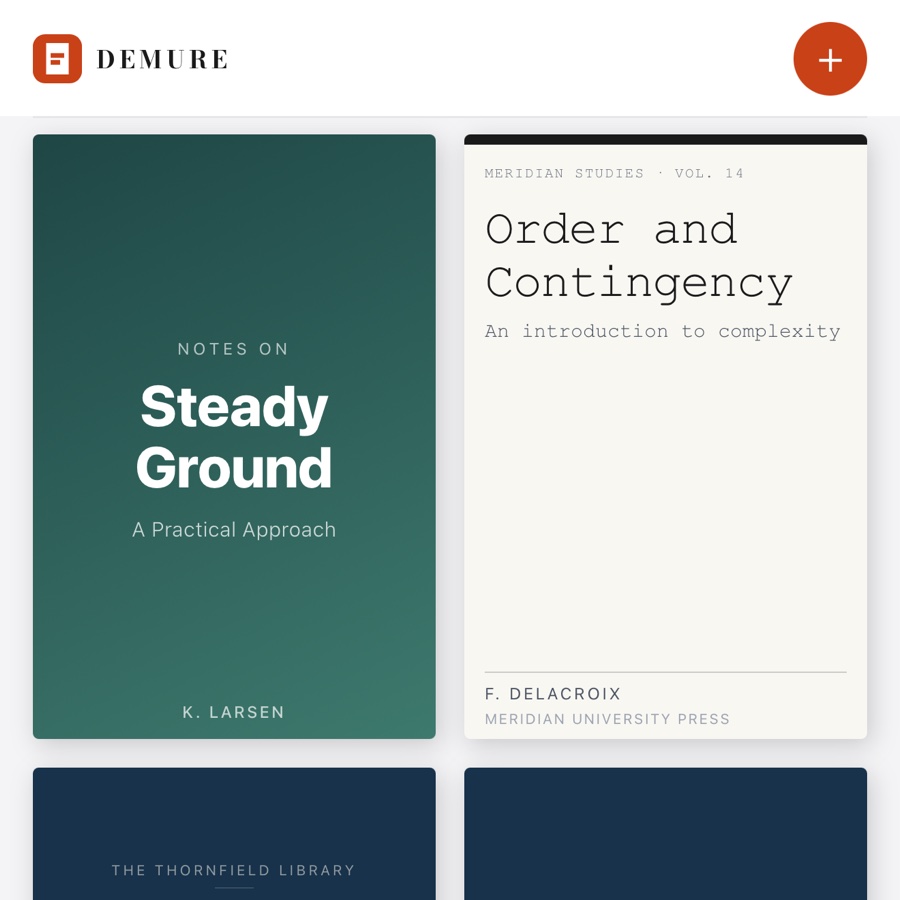
Six iOS apps, all live on the App Store. These are my own products rather than client work, which means every decision in them is mine. See all products →
Apps that reduce work
- Internal tools. Tools only you and your team see: dashboards, admin screens, reports.
- Client-facing platforms. Where your clients log in, book, or check how things are going.
- Connecting your tools. Getting your forms, payments and calendar talking to each other inside the app.
- Secure data applications. Logins, different access for different people, and careful handling of private information.
- iOS apps. Published to the App Store, for products that belong on a phone rather than in a browser.
How it works
- Talk. You tell me the problem. I tell you whether an app is the right answer.01
- Scope. You get a clear list of what it will do, a timeline and a plan, before the real work starts.02
- Build. I build it in stages and check in with you, so you can shape it without managing every detail.03
- Launch. I launch it, write down how it works and show you how to use it, so you don't depend on me.04
For the technical reader
Built to run well, stay secure, and be easy to maintain for years. Accessibility is part of the build, not an extra: every screen is audited before launch to WCAG 2.1 AA (core flows).
- React + TypeScriptFrontend
- Tailwind CSS for responsive UIFrontend
- PWA capabilities when it helpsFrontend
- Mobile-first interfaces, audited to WCAG 2.1 AA (core flows)Frontend
- Node.js and serverless functionsBackend
- Firebase or Supabase for databasesBackend
- Third-party services and APIsBackend
- Authentication and secure data handlingBackend
When does a custom app make sense? When the way you work keeps fighting the tools you use, and plugins or templates don't fix it. Most businesses are better served by a clear website with an easy way to get in touch. If a custom build is the right move, I'll tell you.
Start a ConversationOr start here: Website Design
Still one person.